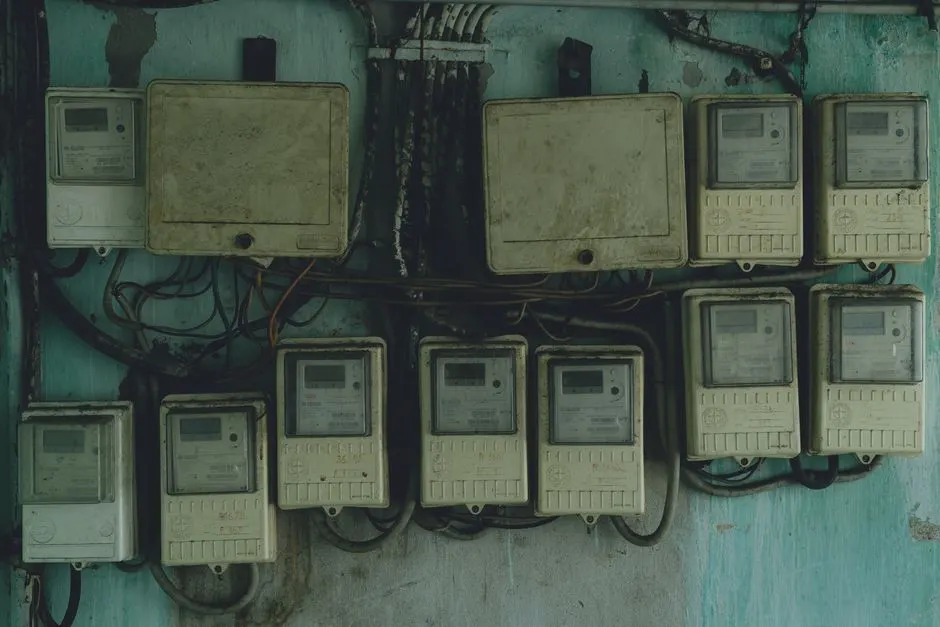
You prevent electrical fires in older South El Monte homes by finding the hazards before they ignite: outdated wiring, overloaded panels, missing GFCIs, and outlets pushed past their limits. That means a professional inspection, targeted upgrades, and a few habits that keep the load where it belongs. This guide covers the specific risks in South El Monte's older housing stock, the warning signs to watch for, and what to do if a fire does start.
Why older South El Monte homes are at higher risk
South El Monte's housing stock includes many homes built between the 1940s and 1970s, and their electrical systems were designed for a fraction of today's load. Original two-wire circuits, 60-amp panels, and cloth-insulated wiring were fine for a refrigerator and a few lamps. They are not fine for central air, EV chargers, space heaters, and a kitchen full of small appliances running at once.
Insulation on old wiring dries out and cracks with heat cycling. Once the bare conductor touches wood framing or a metal box, you have a slow-burning fire inside the wall. We see this pattern repeatedly in the Valley Boulevard Corridor, where mid-century homes have had decades of do-it-yourself additions layered onto the original system.
Aluminum branch wiring, common in homes built from the mid-1960s through the late 1970s, adds another failure point. Aluminum expands and contracts more than copper, and the connections at outlets and switches loosen over time. Loose connections arc, and arcing is the ignition source in many of the electrical fires we clean up.
What causes electrical fires in older South El Monte homes?
Electrical fires in older South El Monte homes are caused most often by arcing at loose connections, overloaded circuits, deteriorated insulation, and undersized panels that were never upgraded. The fire usually starts behind a wall, inside an outlet box, or at the panel itself, which is why it can smolder for hours before you notice smoke.
The most common causes we find:
- Loose lugs and backstabbed outlets. Connections work loose, resistance rises, and the joint heats up until it arcs.
- Overloaded circuits. A single 15-amp circuit running a microwave, toaster, and coffee maker at once draws more than the wire can safely carry.
- Frayed or brittle insulation. Cloth and rubber insulation from the 1950s and 1960s crumbles when disturbed.
- Wrong-size breakers. A 20-amp breaker on 14-gauge wire lets the wire overheat before the breaker trips.
- Extension cords used as permanent wiring. Cords under rugs and behind furniture overheat and fail.
Each of these is fixable. The problem is that most homeowners never see them until something burns.
The 6-point electrical safety check we recommend
A thorough electrical safety check for an older South El Monte home takes about two to three hours and covers six areas. A licensed electrician should perform it, and you should get a written report you can act on.
- Panel inspection. Look for a Zinsco or Federal Pacific panel, rust, scorch marks, or double-tapped breakers. These panels are common in older homes and are a known fire risk.
- Outlet and switch check. Test every receptacle for proper grounding, polarity, and GFCI protection in kitchens, bathrooms, and the garage.
- Wiring review. Identify aluminum branch circuits, cloth insulation, and any spliced or exposed wiring in the attic and crawlspace.
- Load calculation. Add up the actual demand on each circuit and compare it to the wire and breaker rating.
- Smoke and CO alarm check. Confirm working alarms on every level and inside each bedroom.
- Appliance and cord review. Check the condition of cords on refrigerators, dryers, and space heaters, and confirm heavy appliances have dedicated circuits.
If the inspection turns up aluminum wiring or a failing panel, plan the upgrade before you add any new load. Adding a hot tub or EV charger to a 60-amp service is how fires start.
Warning signs you should never ignore
Warning signs of an electrical fire risk include warm outlet covers, a burning or fishy smell, flickering lights, and breakers that trip repeatedly. Any one of these means you should stop using that circuit and get it inspected.
Specific things to watch for:
- Outlet plates that feel warm or are discolored.
- A faint burning smell near the panel or in a room with no fire.
- Lights that dim when the refrigerator kicks on.
- Buzzing or crackling at a switch or outlet.
- Breakers that trip more than once a month.
- Scorch marks or melted plastic on a cord or plug.
If you smell burning and cannot find the source, leave the house and call 911. Electrical fires can travel inside walls faster than you can track them.
Common mistakes that increase your risk
The most common mistake we see is treating a breaker that keeps tripping as an inconvenience instead of a warning. A breaker trips because the circuit is overloaded or faulting. Resetting it without fixing the cause is how a small problem becomes a fire.
Other mistakes that raise your risk:
- Using a higher-amp breaker to stop nuisance trips.
- Running space heaters on extension cords or power strips.
- Covering cords with rugs or stapling them to walls.
- Ignoring the two-prong outlets in older rooms and using cheater plugs.
- DIYing a panel upgrade or adding circuits without a permit.
Each of these shortcuts trades a small convenience for a real hazard. In a home with 50-year-old wiring, the margin for error is thin.
When to call a professional
Call a licensed electrician when you find any warning sign, when your home still has its original panel, or when you are about to add a major appliance. Call a restoration company when the fire has already happened. We handle the cleanup, smoke removal, and structural repairs so you can get back into the house safely.
Our team at Fire Damage Restoration South El Monte responds to electrical fire calls across the city, from the Durfee Avenue Neighborhood to the Santa Anita Avenue Area. We start with a safety assessment, then move into Electrical Fire Cleanup SOUTH EL MONTE CA and Smoke Damage Restoration SOUTH EL MONTE CA. If you are not sure whether you need help, call us and we will tell you straight.
For homeowners who want a single point of contact for Fire Damage Restoration, we coordinate the electrician, the cleanup crew, and the rebuild. That matters when you are standing in a dark hallway at midnight.
Frequently Asked Questions
How can I prevent electrical fires in my older South El Monte CA home?
Get a licensed electrical inspection every 5 to 10 years, replace failing panels and aluminum branch circuits, install GFCIs in wet areas, and never overload circuits. Address any warm outlet, burning smell, or repeated breaker trip immediately. Most electrical fires are preventable with those steps.
What causes electrical fires in older South El Monte homes?
The leading causes are arcing at loose connections, overloaded circuits, deteriorated insulation, and undersized panels. Aluminum wiring and DIY additions common in mid-century homes raise the risk further. A professional inspection identifies these hazards before they ignite.
Who inspects electrical fire risks near me in South El Monte California?
A licensed electrician performs the inspection. Look for one with experience in older homes and aluminum wiring. We can refer you to local electricians we trust, and we handle the cleanup and restoration if a fire has already occurred.
What should I do after an electrical fire in South El Monte?
Call 911, evacuate, and do not re-enter until the fire department clears the building. Then call your insurance company and a restoration team. Do not touch damaged wiring or attempt cleanup yourself. We can be on-site quickly to secure the property and start the restoration process.
Get help with Fire Damage Restoration in SOUTH EL MONTE
If an electrical fire has damaged your home, we are ready to help. Our team handles everything from emergency board-up to final cleanup, and we work directly with your insurance. Call Fire Damage Restoration South El Monte at (833) 929-6186.